Fire Extinguishing Basic Principles
Posted on10.11.2024
by
ALBKOS SAFETY
5654
A fire cannot start or continue if one side of the fire triangle—fuel, oxygen, or heat—is missing, or if there is an interruption in the chemical chain reaction that supports combustion. If any of these three elements can be removed, or if the chemical chain reaction can be disrupted, the "triangle" is broken, and the fire will cease to burn.
Fire Extinguishing Methods: How to Fire Controlled and Extinguished?
To extinguish a fire effectively, it is not enough to simply use a fire extinguisher or an extinguishing agent. The extinguishing method must act on one of the key elements that allow a fire to start and continue burning.
Fire depends on the elements of the fire tetrahedron: heat, fuel, oxygen, and the chemical chain reaction. If one of these elements is removed, limited, or interrupted, the combustion process stops and the fire is extinguished.
The main fire extinguishing methods are cooling, oxygen isolation, fuel removal, and interruption of the chemical chain reaction. Each method works differently and is suitable for specific fire risks, fire classes, and environments.
Cooling
Principle: Cooling works by reducing the temperature of the burning material and removing heat from the combustion area.
How it works: The extinguishing agent absorbs thermal energy from the burning material. When the temperature falls below the ignition point of the material, combustion can no longer continue and the fire is extinguished.
Cooling is one of the most common and practical fire extinguishing methods. It is particularly effective when the burning material can absorb water and when embers or hidden heat sources may remain after the flames have been reduced.
Typical extinguishing agents and systems
Cooling is usually achieved through:
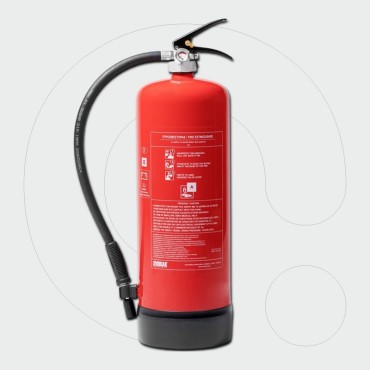
- Water fire extinguishers
- Hydrant systems
- Automatic sprinkler systems
- Water mist systems, depending on the application and technical approval
Typical fire class
Cooling is mainly used for Class A fires, which involve solid combustible materials such as wood, paper, cardboard, textiles, and certain types of plastics.
Water should not be used on fires involving live electrical equipment, flammable liquids, cooking oils, or combustible metals, unless the equipment and extinguishing method are specifically approved for that use.
Oxygen Isolation
Principle: Oxygen isolation works by interrupting or reducing the fire’s supply of oxygen.
How it works: The fire is isolated from atmospheric oxygen, or the oxygen around the flame is displaced or reduced. When the oxygen level drops below the level required for combustion, the burning process can no longer continue.
This method is especially useful for fires involving flammable liquids, where the extinguishing agent can create a layer over the burning surface and prevent oxygen from coming into contact with the fuel.
Typical extinguishing agents and equipment
Oxygen isolation can be achieved with:
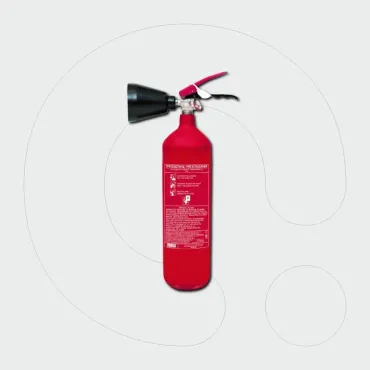
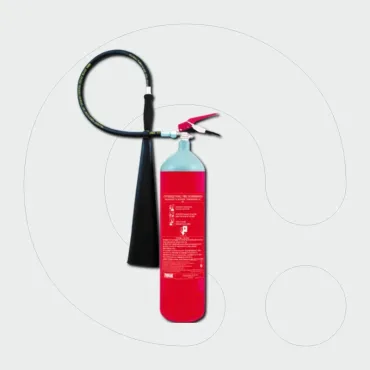
- CO2 fire extinguishers
- Foam fire extinguishers
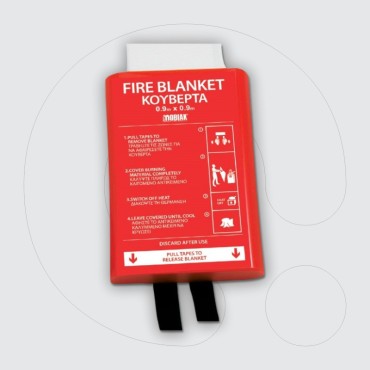
- Fire blankets
- Wet chemical fire extinguishers for fires involving cooking oils and fats
- Certain clean agent systems, depending on the design and protected area
Typical fire classes
Oxygen isolation is commonly used for Class B fires, which involve flammable liquids, as well as for Class F fires, where a suitable wet chemical agent creates a protective layer over hot cooking oil.
In enclosed or poorly ventilated spaces, some agents that work by oxygen isolation, especially CO2, must be used with caution because they can reduce oxygen levels and create a risk for people present in the area.
Fuel Removal
Principle: Fuel removal works by eliminating or interrupting the source that feeds the fire.
How it works: If the fire no longer has fuel to consume, the combustion process cannot continue. This method does not always mean physically removing the burning material; it may also include closing a valve, stopping a process, isolating a supply line, or separating combustible materials from the risk area.
Fuel removal is a very important method in industrial environments, in incidents involving gases, and in outdoor fires where fire spread can be controlled by limiting the available combustible material.
Practical examples
Fuel removal may include:
- Closing gas valves
- Stopping the flow of flammable liquids
- Removing combustible materials from the risk area
- Creating firebreaks in vegetation fires or outdoor fire scenarios
- Stopping machinery or industrial processes that feed the fire
Fields of application
This method is particularly important in:
- Industrial processes
- Fuel storage and transfer areas
- Gas installations
- Warehouses with combustible materials
- Firefighting in nature and vegetation areas
Fuel removal should only be attempted when it can be done safely. If there is a risk of explosion, rapid fire spread, or exposure to toxic smoke, the priority must be evacuation and response by emergency services.
Interruption of the Chemical Chain Reaction
Principle: This method works by interrupting the chemical reaction that keeps the flame active.
How it works: During combustion, highly reactive particles known as free radicals are formed. These particles keep the oxidation process active and allow the flame to continue. Certain extinguishing agents interfere with these reactions and interrupt the chemical chain reaction.
When the chain reaction is interrupted, the flame is extinguished even if heat, fuel, and oxygen may still be present in the environment.
Typical extinguishing agents
This method is commonly associated with:
- ABC dry powder fire extinguishers
- BC dry powder fire extinguishers
- Clean agent fire extinguishers and systems
- Special extinguishing agents designed for specific risks
Typical fire classes
Interruption of the chemical chain reaction is usually effective for Class B fires and Class C fires. Depending on the extinguishing agent and the extinguishing rating, dry powder fire extinguishers may also be used for certain Class A risks.
This method is fast and effective, but the suitability of the fire extinguisher should always be verified through the label, the extinguishing rating, and the technical documentation.
Elements of the Fire Tetrahedron
The fire tetrahedron explains the four elements required for a fire to start and continue burning:
- Heat
- Fuel
- Oxygen
- Chemical chain reaction
Removing or interrupting any of these elements results in fire extinguishment. This is the basic principle behind portable fire extinguishers, hydrant systems, sprinkler systems, clean agent systems, and many other fire protection measures.
Why Is Choosing the Right Extinguishing Method Important?
Different fires require different extinguishing methods. Using the wrong method can make the situation worse. For example, water can spread burning oil, while unsuitable extinguishing agents may damage sensitive electrical equipment or fail to extinguish a fire involving flammable liquids.
The correct extinguishing method depends on the type of fuel, the fire class, the surrounding environment, the presence of electrical equipment, ventilation conditions, and the safety of the person attempting to respond.
Before using any fire extinguisher, the label and pictograms should always be checked to confirm that the extinguisher is suitable for the specific fire risk.
Conclusion
Fire extinguishment is based on a simple principle: reducing heat, isolating oxygen, removing fuel, or interrupting the chemical chain reaction.
Cooling reduces the temperature below the ignition point. Oxygen isolation limits the fire’s oxygen supply. Fuel removal interrupts the source that feeds the fire, while chemical interruption stops the reaction that keeps the flame active.
Understanding these methods helps in selecting the right fire extinguisher, planning fire protection systems, and responding more safely during the initial stage of a fire.
Updated on 09.05.2026
Note! The use of articles and materials published on mbrojtjangazjarri.com is permitted only by sharing the original link to the article. Any use or reproduction of these materials without prior permission from Albkos Safety™ is prohibited and constitutes a violation of copyright.


 English
 Shqip
Shqip
